Troy Epoxy Flooring
Service · Troy, MI

Metallic Epoxy Floors in Troy, MI

See what pigmented mica looks like once it swirls into the resin. We install it over the same coating stack you would get on any floor.

2 days
Typical install time
Free · 24-hour response

Quote: Metallic Epoxy

Response under 24 hours. No spam. Contact info is used only to send the quote.

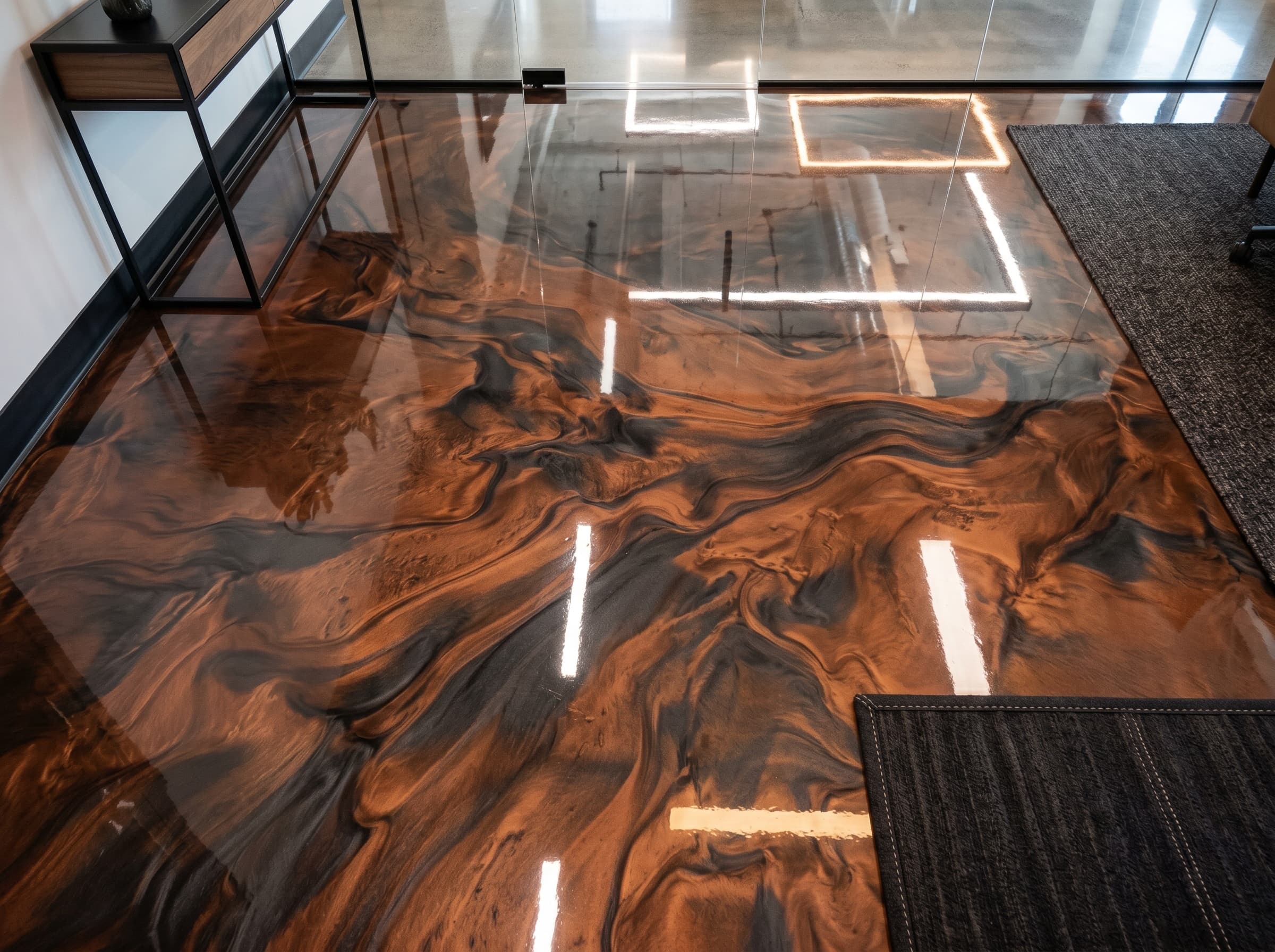
Metallic epoxy flooring. Copper-and-charcoal swirl finish with a mirror-grade reflection.
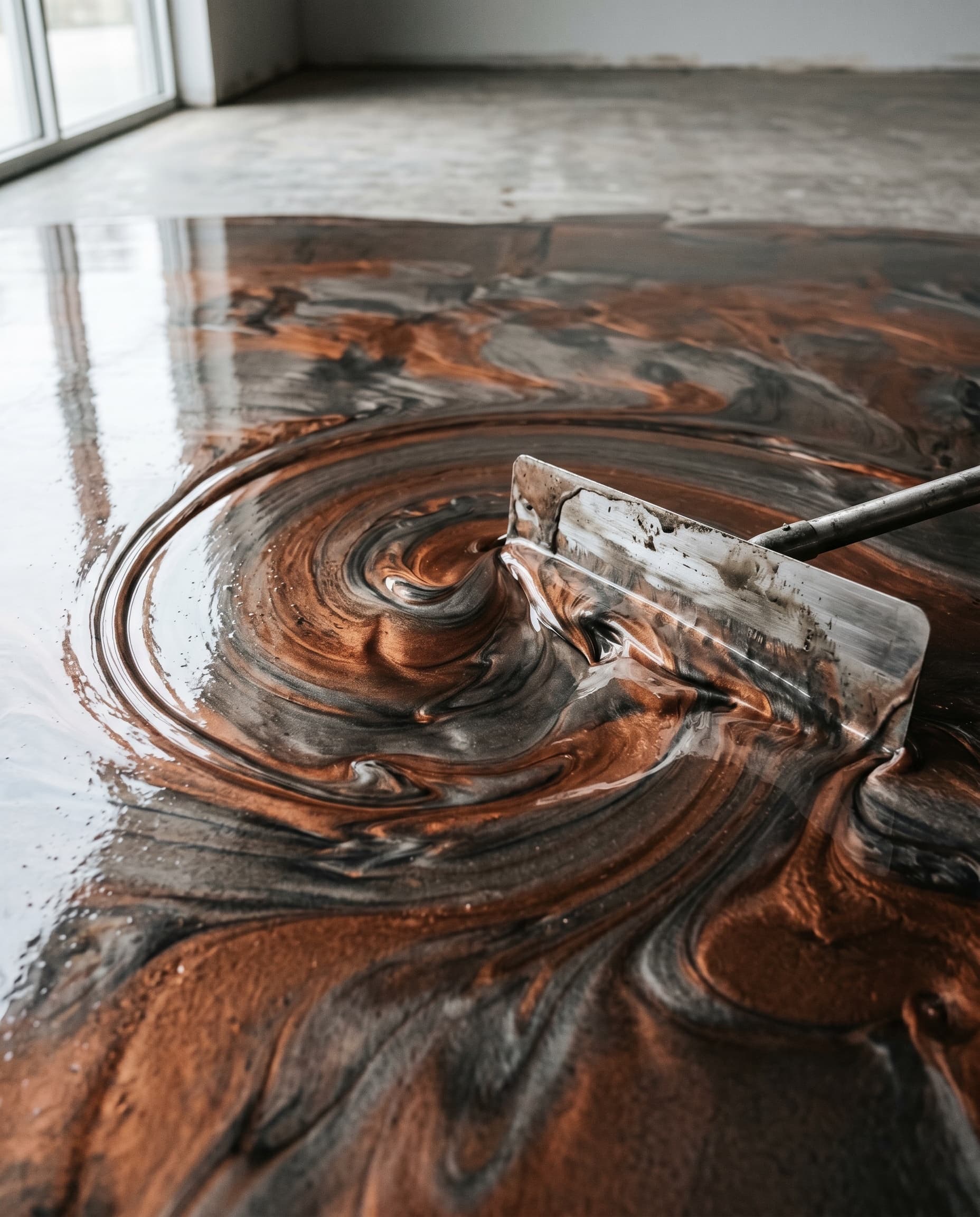
Trowel swirling wet metallic epoxy in copper, charcoal, warm grey.
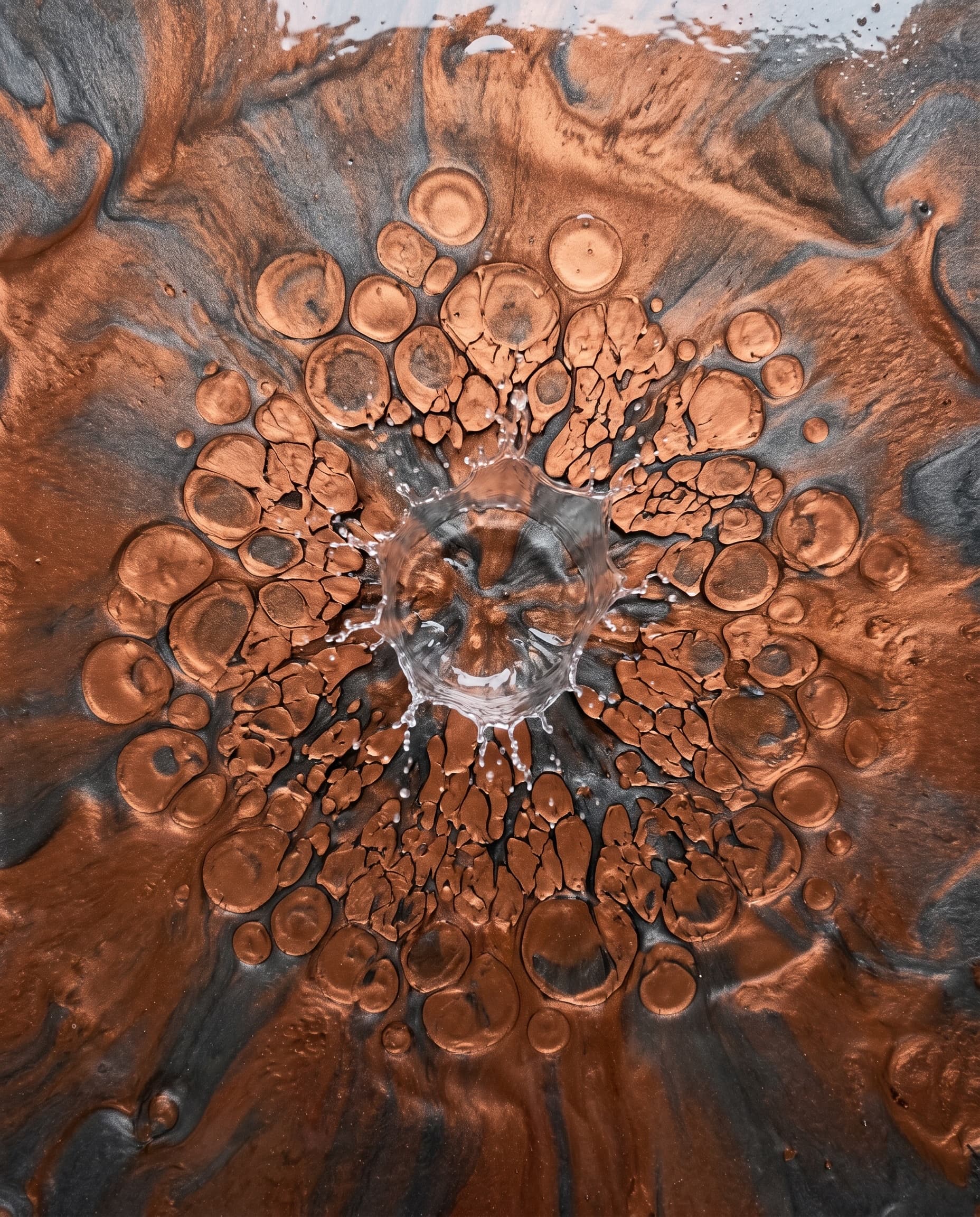
Alcohol pour creating expanding cells in wet metallic epoxy.
Why metallic epoxy

What metallic epoxy actually is

Metallic epoxy is a designer floor. We mix pigmented mica into the resin, then work it wet with brushes, rollers, and torches to build a swirled, deep, almost 3D look. Plenty of the metallic floors people post online are weak installs over poor prep. A real metallic floor needs the same four passes of coating underneath. The pigment simply lives inside the epoxy base.

Our install runs the same prep, primer, and polyaspartic topcoat as a standard coating system. Only the base coat changes. We blend the metallic pigment into the 100% solids epoxy, pour it, then work it wet to steer the swirl. Once it cures, we lock it under polyaspartic for the same UV stability and chemical resistance you get on any other floor.

  • Common pulls: copper and charcoal, polished nickel, storm grey, ocean blue.
  • Sealed under polyaspartic, same durability as a standard system.
  • We install over two days, since the metallic pour needs its own cure window.
  • Best for showroom garages, basement bars, and entrance lobbies.
  • Color samples should be reviewed in the actual room's lighting before picking a pour.

Most metallic installs in Troy land in finished basement bars or showroom garages, where a visual statement matters more than raw grit. We bring color samples to the walk through on site. The same pigment can read like two different floors under basement LED versus the sunlight near a garage door.

A metallic floor is a designer surface, yet it still has heavy duty grit underneath.

Thinking about a metallic floor for a finished basement, showroom garage, or commercial entry? Ask us for a quote and a sample review done right there on site.
The material

How a metallic floor is actually built

A metallic floor is not a separate coating system. It is the same four pass system with one layer reformulated. The slab prep, the moisture vapor primer, and the polyaspartic topcoat all match a standard install. Only the base coat changes. Instead of a solid pigment epoxy, the base is a clear or lightly tinted 100% solids epoxy with pigmented mica blended in. Mica is a mineral that reflects light. When it sits in clear resin and we stir it while wet, the flakes turn at many angles and build the layered depth that makes a metallic floor read almost three dimensional. The pigment does not rest on top of the resin. It floats deep inside it.

The art happens in the 20 to 40 minutes between pour and gel. We work the wet base with rollers, brushes, squeegees, or careful alcohol drops to push the mica into set patterns: swirls, cells, marbled veins. A denatured alcohol pour opens expanding round cells, the look people tie to top tier metallic floors. A torch passed over the wet surface pops bubbles and reflows the pigment. Once the base sets, the polyaspartic topcoat seals it all and lends the clear shine that lets the depth show through. Without that topcoat the floor would look flat.

  • Pigmented mica floats in clear resin. We orient it by hand during the wet window.
  • Alcohol drops open the expanding cell pattern. Torch passes pop bubbles and reflow the pigment across the wet base.
  • The depth and 3D look only reads under a glassy polyaspartic topcoat.
  • Same prep, same primer, and same topcoat as a standard system. Only the base layer changes.
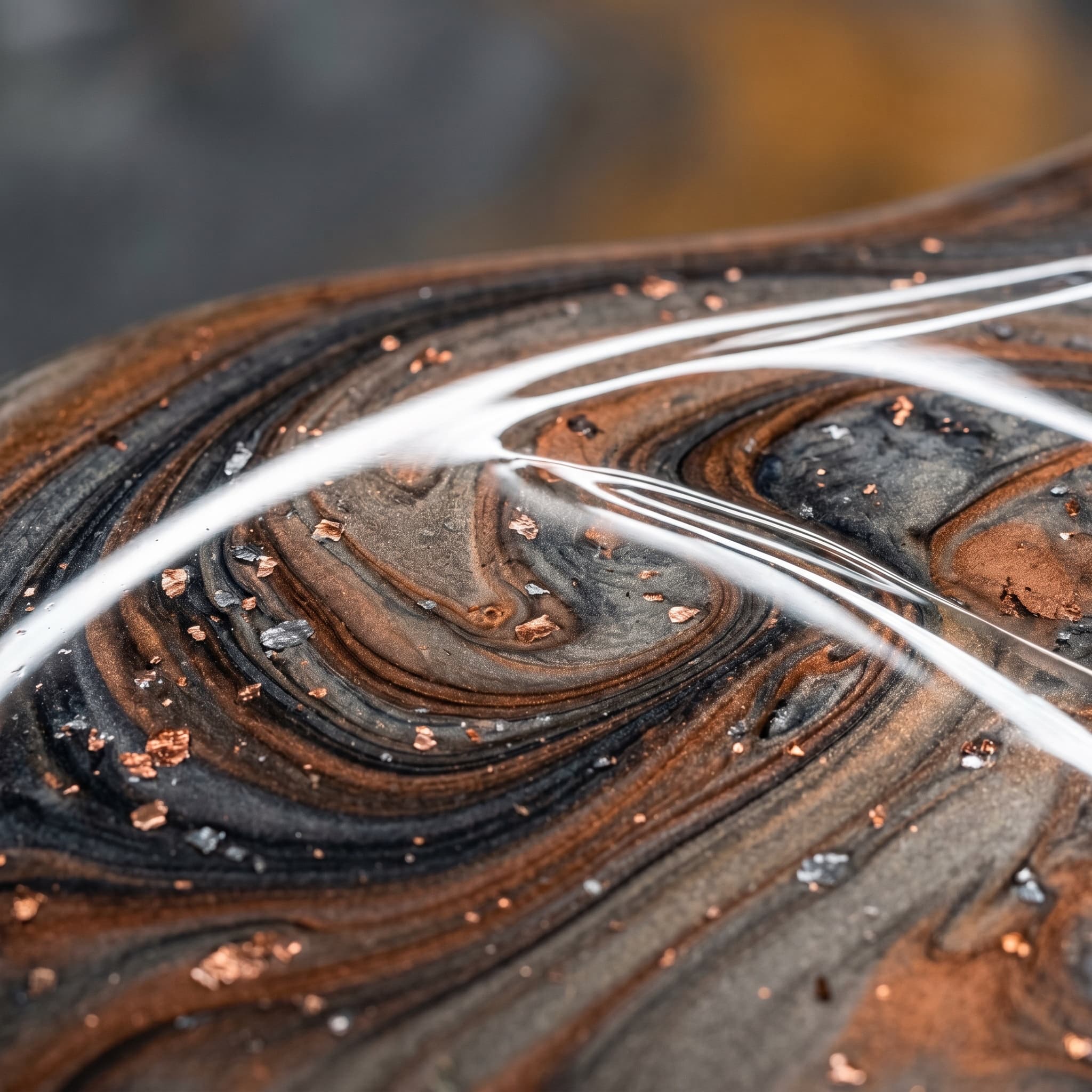
Macro of metallic epoxy swirls in copper, charcoal, warm grey.
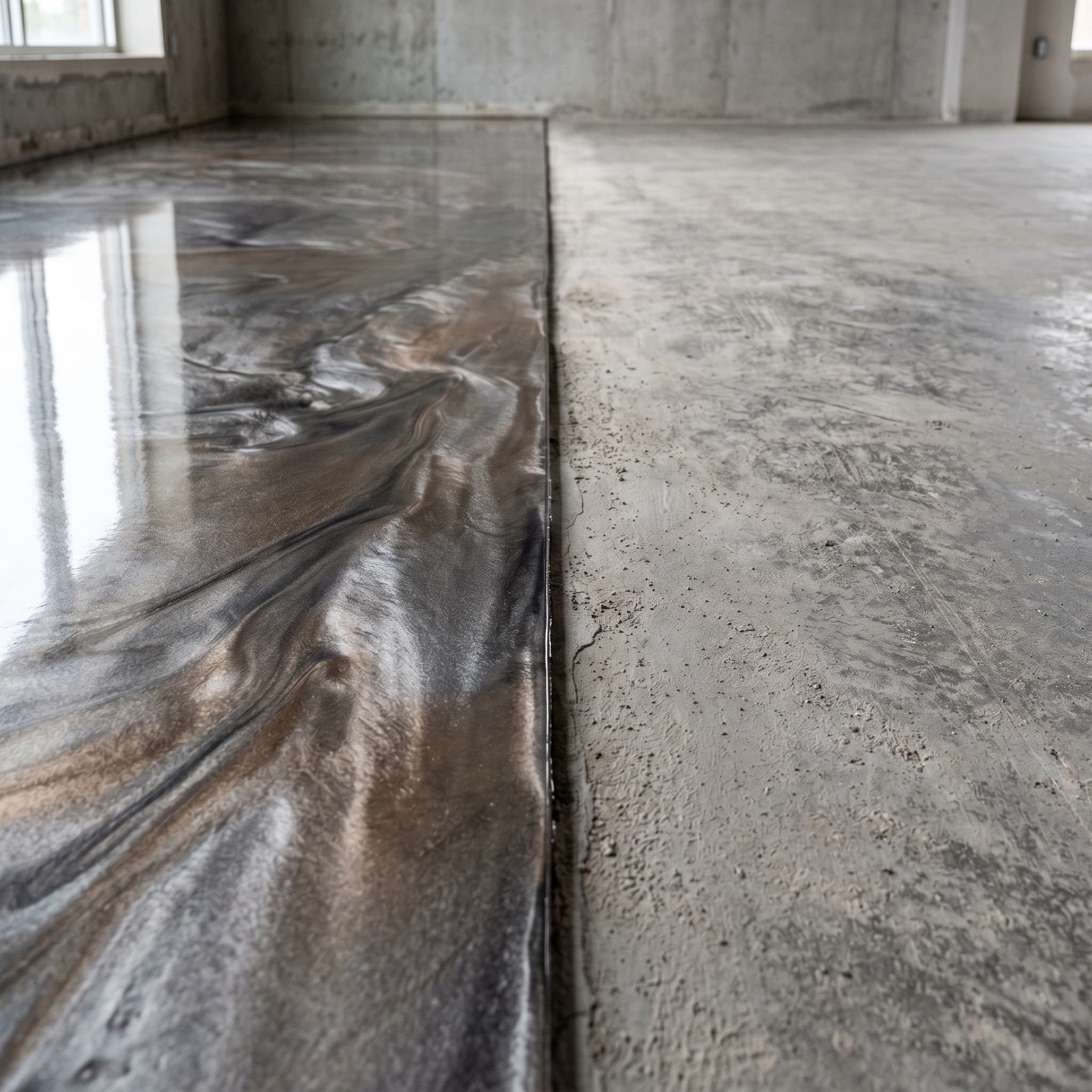
Clean edge where metallic epoxy floor meets bare concrete.
Compared to

How metallic compares to other designer grade floor finishes

A homeowner planning a showroom garage, finished basement bar, or entry lobby usually weighs the same three or four options. Here is the honest version of what each one delivers. Cost per square foot tracks install labor more than it tracks the material itself.

Acid-stained concrete
A lasting natural look. The color range stays narrow, mostly browns and greens, and it shows every slab flaw. It holds no UV stability until you add a sealer.
Acceptable
Polished concrete with dyes
A clean modern look. The color depth runs shallower than metallic, there is no recoat schedule, and the cost per square foot stays lower.
Recommended
Terrazzo (epoxy variant)
A premium decorative floor with aggregate set in resin. It costs far more and installs slower than a metallic floor does.
Acceptable
Full decorative flake
The most popular home finish. It hides slab flaws better and costs less, though it carries less visual drama than metallic.
Recommended
Metallic epoxy and polyaspartic
The strongest visual impact, the deepest color, and full chemical grit under the polyaspartic. It is the premium pick for showroom grade installs.
Recommended
The install

From quote to walk-on, fast.

STEP 01

Free Quote

Submit a few photos or book a free 15-minute on-site visit. The result: a fixed written quote, not an estimate range.

STEP 02

Floor Prep

Diamond-grind the slab, patch every crack, vacuum-fill control joints, and prime against moisture vapor.

STEP 03

Coating

100% solids epoxy base, a full flake broadcast for grip and depth, then a polyaspartic topcoat.

STEP 04

Cure & Enjoy

Walk on it the same evening. Park on it 24 hours later.

Before you book

Things to confirm before booking a metallic install

Metallic installs vary in quality more than any other coating type, because the wet step is truly artistic. The questions below sort the installer who has poured five metallic floors from the one who has poured fifty.

Can I see physical samples in the actual room's lighting?

Yes, and we treat it as a must. The same pigment blend reads like two different floors under cool basement LED, warm garage light, or daylight through a skylight. We bring 8 to 12 sample tiles to the walk through and lay them on your slab, so you pick under the light that will stay there for good. Choosing from a website thumbnail is how floors get installed and then regretted.

How is the swirl pattern controlled? Is it the same on every floor?

It is not. We work every metallic pour by hand while it is wet, so no two floors match, even with the same pigment blend. We will show photos of our last 5 to 10 installs so you can see the range of patterns. When every floor in a portfolio looks the same, that installer is doing the same thin work on each job, which means less skill and less depth in the finish.

What's the recoat or repair plan if something gets scratched?

A surface scratch in the polyaspartic topcoat repairs with a light scuff and a fresh topcoat pass, and the metallic underneath stays untouched. A gouge that reaches the metallic base is harder to hide, because the swirl pattern is unique to that spot. We note in the contract that a deep gouge in the metallic layer may read as a faint patch even after a spot repair. We set that expectation with you before anyone signs.

Does metallic work in a damp basement, or only in garages?

It works in both. A basement install needs the moisture blocking primer underneath, same as a standard basement coating. The polyaspartic topcoat then seals the floor against the damp air around it. Active basement leaks have to be fixed before any coating goes down, and metallic does not change that rule.

Color longevity, especially with sunlight exposure?

Mica pigments come from minerals, so they do not fade the way organic dyes do. UV exposure can slowly oxidize the polyaspartic topcoat, which usually shows after 8 to 15 years on a sunlit floor. That is a recoat, not a teardown. The metallic depth in the base layer stays intact for the life of the slab.

After the install

Keeping a metallic floor's depth over time

Day to day care on a metallic floor matches a standard polyaspartic floor: sweep, damp mop, no abrasives, no harsh degreasers. The one real difference is how damage to the topcoat shows up. On a charcoal flake floor, a hairline scratch reads as part of the texture. On a high gloss metallic, that same scratch breaks the depth and reads as a clear line across the swirl. So a metallic floor wants a little more care, mostly around chair legs, weight bench feet, and the path a vacuum takes when its wheel picks up grit.

  • Sweep the floor weekly. The deeper the gloss runs, the more visible every tiny scratch becomes.
  • Damp mop monthly with a pH neutral cleaner. Never use abrasive pads on a metallic floor.
  • Keep felt pads under chair legs, weight bench feet, and anything you drag across the surface.
  • If a heavy tool drops and gouges through the topcoat, call us within a few weeks. An earlier spot repair blends in better with the swirl around it.
  • Plan on a polyaspartic scuff and recoat around year 8 to 12 to bring back the deep gloss the floor had on install day.
See the work

What a finished metallic install looks like

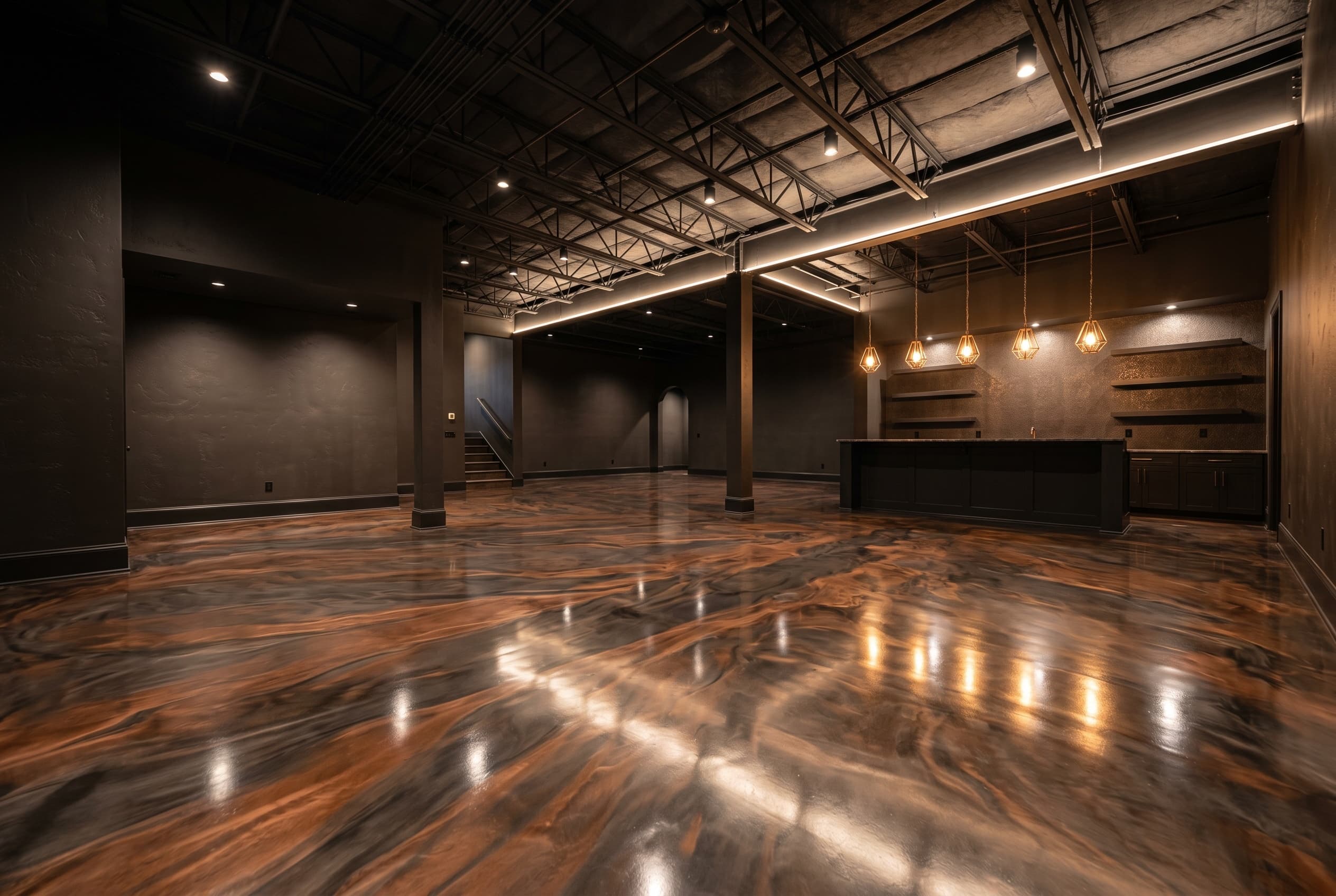
Wide showroom space with metallic epoxy in copper and charcoal.
FAQ · Metallic Epoxy

Common metallic epoxy questions

A properly installed three coat polyaspartic system on a home garage in Michigan usually lasts well past a decade before it needs any recoat. The wear layer is harder than industrial sealer. That hardness is why salt, warm tires, and the freeze and thaw swing of our winters never break it. Cheaper single day kits from a chain store tend to fail inside two or three winters, because they skip the moisture primer and lean on a softer topcoat.
Epoxy is the base layer that bonds to the concrete. Polyaspartic is the topcoat that adds UV stability, chemical resistance, and a fast cure. A floor that is epoxy only stays softer, yellows in sunlight, and stays tacky longer while it sets. A good install uses both, so an epoxy primer grips the slab and a polyaspartic top lets a car roll back in within a day. Most quality crews in Michigan run that same stack for that same reason.
The number rests on three things. Those are square footage, slab condition, and the finish you pick. A slab with deep cracks, oil soaked spots, or moisture trouble adds prep work, and that prep raises the cost. Metallic and heavy flake finishes sit at the upper end. You get a fixed written quote after a free walk through on site, with no vague ranges and no surprise extras once the crew starts. Most honest crews will not post a price per square foot, since that figure misleads anyone before they see the actual slab.
Yes, and the season barely matters. The whole job happens indoors. As long as the garage holds around 55 degrees while it cures, the coating sets fine. Most winter jobs run a portable heater for a few hours during the topcoat stage. Spring and fall stay the busiest stretch for crews around here, so a winter slot often books faster for a Troy homeowner who wants the floor done before the next salt season rolls in.
Warm tire pickup is the failure that quietly ruins cheap epoxy coatings. A polyaspartic topcoat cures harder than the rubber of a tire. Because of that, it stays locked to the base coat even after a long summer drive. Many quality crews fold a first year callback into the work for tire transfer or any lift, so it pays to ask each crew about their callback policy before you sign anything.
Ready when you are

Get a fixed quote on your Troy epoxy floor this week.

Free on-site walk-through and a one-day install on most residential garages.

Call (947) 218-1225Get My Free Quote
Call NowFree Quote